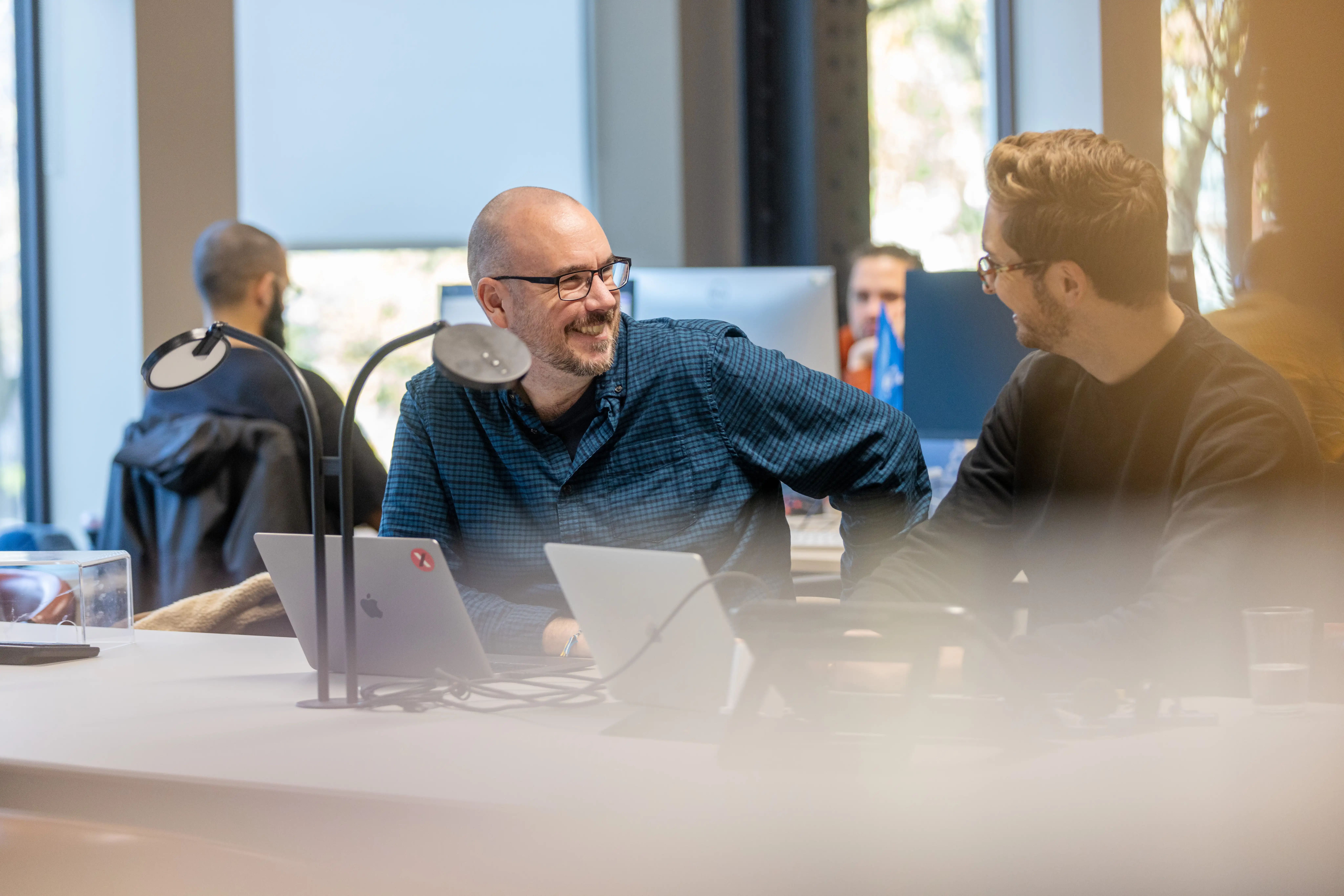
When we’re designing and delivering services, we strive to create an environment where multi-disciplinary teams with diverse cognitive strengths are able to collaborate well and solve our clients' most complex challenges together.
As a delivery manager, one of the first things I think about when I start a new project is what the team is like and how to understand the people in that team. This contributes to working conditions that are mindful of unique skills and differences. It means we can make any adjustments necessary to enable neurodivergent people to contribute equally, rather than risk being excluded or expected to meet neuro-typical ways of working without compromise.
Start with a team manual
I use something called a 'manual of me' at the start of every project. Each person shares how they work effectively and how they can bring their best to the team.
Understanding, talking about, and documenting each individual's needs and strengths, and just as importantly what they won't, can't, or shouldn't do at the very start of forming a team is essential to allowing everyone to work together well. It works best when we co-create these manuals with the organisations we are partnering with.
In these sessions we typically hear things like:
-
I process better in writing
-
I have a focus-block in the afternoon
-
Please don’t call me without warning
-
I need an agenda for a meeting
We facilitate these sessions in a supportive way, and recognise that some people may feel vulnerable at work as historically neurodiversity hasn’t been accommodated well in the past, and sharing can feel risky as a result. In order to help with this sense of vulnerability, before facilitating the session, I would have 121s with everyone in the team, no matter how senior, just to surface any adjustments needed upfront. Once we’ve completed the exercise, each team member should feel more confident collaborating well in the up and coming project.
It can also build effective partnerships between people in different organisations or departments. For this to work well they need to have been involved in the conversation, and even more ideally they will have experienced this type of conversation before in their own organisations, helping normalise the process.
It can feel difficult to prioritise the time and effort needed to co-create these user manuals in the face of a tight budget. But I think of it as putting the short term cost of alignment upfront, which will be far lower than the long-term cost of team burnout, or miscommunication when delivering.
Inclusive meetings (that don’t drain people)
We’ve all been in those quick catch-ups that turn into a 60-minute odyssey through five different topics. For lots of people it can be really tricky to flip between topic areas, especially many autistic people who need consistent focus to perform at their best, and avoid being overwhelmed.
To fix this, there are some very specific, inclusive habits you can use, like:
-
The power of one. One meeting. One topic. When we’re done, we leave.
-
Upfront agendas as standard. This allows the people who need time to process before discussion the opportunity to arrive ready to contribute.
Structure can be great for some, but it can stifle creativity for other people, such as those with ADHD who can thrive when they allow their excited attention to connect apparently disconnected things. So there’s a balance to be struck.
On a recent project, we combined our topic-focused calls with something we called 'collab time' – open-ended blocks where the team could work on problem areas together with no specific output. Some of the best problem solving of the whole project came from those sessions.
Being Agile is embracing difference
A common misconception is that Agile working is just a rigid sequence of ceremonies. Stand-ups, retros, sprint reviews, repeat. In reality, the Agile manifesto prioritises individuals and interactions over processes and tools.
If your stand-up format doesn't work for some of the team, then as a delivery manager, that is an issue worth solving. So we tailor our rituals to the diversity within our teams. This aligns with the Government Service Standard (point 6), which emphasises the need for diverse, multi-disciplinary teams to build better services.
Doing Agile right means acknowledging that a one-size-fits-all way of working can create unintentional barriers. Like requiring immediate verbal responses rather than allowing written input, having unspoken expectations around body language like direct eye contact that can be overwhelming for people with autism, or too much context switching that can make it difficult for people with ADHD to regulate focus. By designing our rituals around diverse learning and processing styles, we make sure our environment is accessible which sets the whole team up for success.
The TPXimpact approach
We believe that the most effective teams use the unique strengths and diverse perspectives of each individual member. The people using the services we build are diverse, and the teams building them should be too. By embracing neurodiversity we are able to bring our best teamwork to the complex issues that we help solve, and the digital services and products we help build.
The decisions you make as a delivery manager matter to neurodivergent people, and can help them in contributing more fully. This in turn benefits the team overall, allowing us to build teams that are capable of making impactful change together.
More from our design blog
Transformation is for everyone. We love sharing our thoughts, approaches, learning and research all gained from the work we do.
-

How AI agents will change the role of your website
Read blog post -

Thinking in pictures with visual facilitation
Read blog post -
Building visualisations that adapt
Read blog post -

Taming the prototype monster
Read blog post
